
Creativitas: Critical Explorations in Literary Studies
An International Journal of English and Cultural Studies

The Department of English
Serampore Girls’ College
Affiliated to the University of Calcutta · Est. 1981
Concept Note
The Environmental Humanities has emerged as an indispensable interdisciplinary nexus for diagnosing and navigating the profound ecological ruptures of the twenty-first century. Since Lawrence Buell and Cheryll Glotfelty foundationalized ecocriticism to examine the “environmental imagination” (Buell 2; Glotfelty xviii), the escalating realities of climate collapse have irrevocably collapsed the traditional boundaries between human history and natural history (Chakrabarty 201). Consequently, as novelist and theorist Amitav Ghosh contends, the era of the Anthropocene is fundamentally a “crisis of culture, and thus of the imagination” (Ghosh 9). Yet, the future trajectory of this discipline requires radical new vocabularies that move beyond early, Eurocentric diagnoses.
In alignment with the scope of Creativitas: Critical Explorations in Literary Studies, this conference asks how literature, media, and culture mediate our rapidly mutating biosphere. We must aggressively interrogate the conceptual limits of the “Anthropocene,” recognizing, with Jason W. Moore, the systemic, extractive forces of the “Capitalocene” (Moore 6).
Crucially, the Environmental Humanities must decentre Western-centric narratives of ecological collapse. As Kathryn Yusoff argues, mainstream Anthropocene discourse often erases how geology and environmental destruction are historically rooted in anti-Black violence, slavery, and colonial extraction (Yusoff 2). Similarly, Indigenous philosopher Kyle Powys Whyte reminds us that for many marginalized communities, climate change is not a new, impending apocalypse, but the continuation of centuries of colonial environmental violence (Whyte 225). We must grapple with what Rob Nixon terms “slow violence”—the delayed, invisible destruction dispersed across time and space that disproportionately devastates the Global South (Nixon 2). Following Max Liboiron’s assertion that pollution is fundamentally a form of colonialism (Liboiron 6), we bridge postcolonial theory and ecocriticism to map localised resistance against systemic harm.
Furthermore, forging new ecological paths demands a rigorous engagement with the non-human, moving away from anthropocentric exceptionalism. We are called to heed Donna Haraway’s imperative to “stay with the trouble” by cultivating practices of multispecies entanglement and sympoiesis (Haraway 33). This requires integrating Critical Animal Studies, following Jacques Derrida’s foundational deconstruction of the human/animal binary (Derrida 399) and Cary Wolfe’s posthumanist frameworks (Wolfe 9). We must examine non-human subjectivities, the poetics of extinction, and what Nicole Shukin identifies as “animal capital”—the rendering of animal life as both symbolic and fleshy currency in market economies (Shukin 11).
To navigate these entanglements, we must embrace the lively, porous nature of reality itself. Through the lens of New Materialism and Ecofeminism, we seek to dismantle the enduring dualisms (culture/nature, mind/body) that Val Plumwood argues have historically justified the simultaneous mastery of nature and marginalised bodies (Plumwood 4). We encourage engagements with Stacy Alaimo’s concept of “transcorporeality,” which highlights how human bodies are violently and intimately entangled with toxic environments (Alaimo 2). By recognising the “thing-power” of non-human entities (Bennett 4) and confronting the ungraspable scale of “hyperobjects” like global warming and microplastics (Morton 1), literary and cultural studies can reimagine agency in a damaged world.
Finally, this conference expands the elemental parameters of the field through the Blue and Energy Humanities. We transition from purely land-centred (terra-centric) frameworks to “blue” thinking (Mentz 2), exploring oceanic literature, hydro-criticism, and maritime colonialism (DeLoughrey 3). Concurrently, as we face the necessity of a post-carbon future, we examine the deep cultural saturation of fossil fuels—addressing Stephanie LeMenager’s “petro-melancholia” (LeMenager 11) and Imre Szeman’s work on petrocultures (Szeman 15). Ultimately, Ecologies of Tomorrow charts these intersections, using the critical tools of the humanities to imagine resilient, decolonial, and multispecies futures.
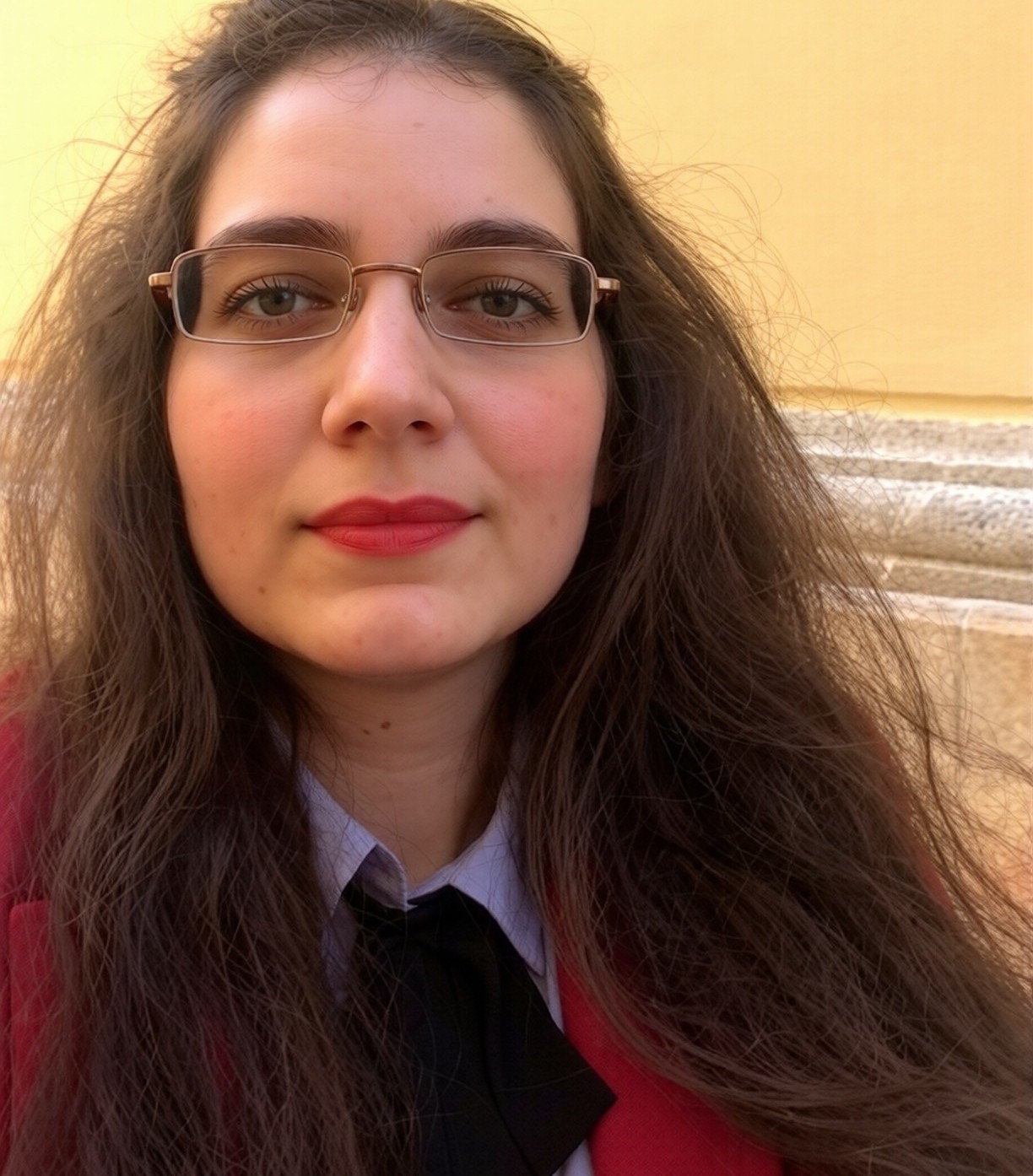
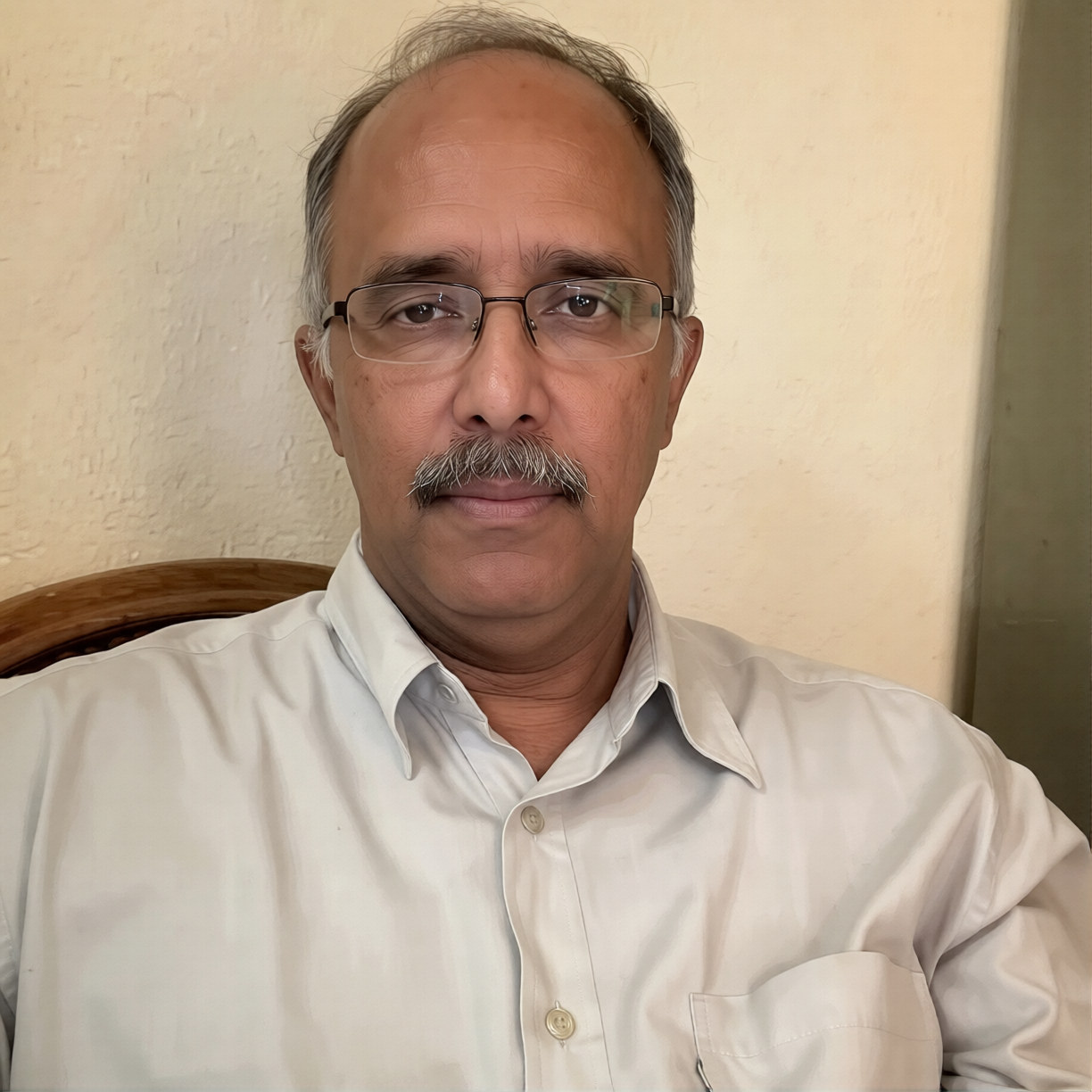
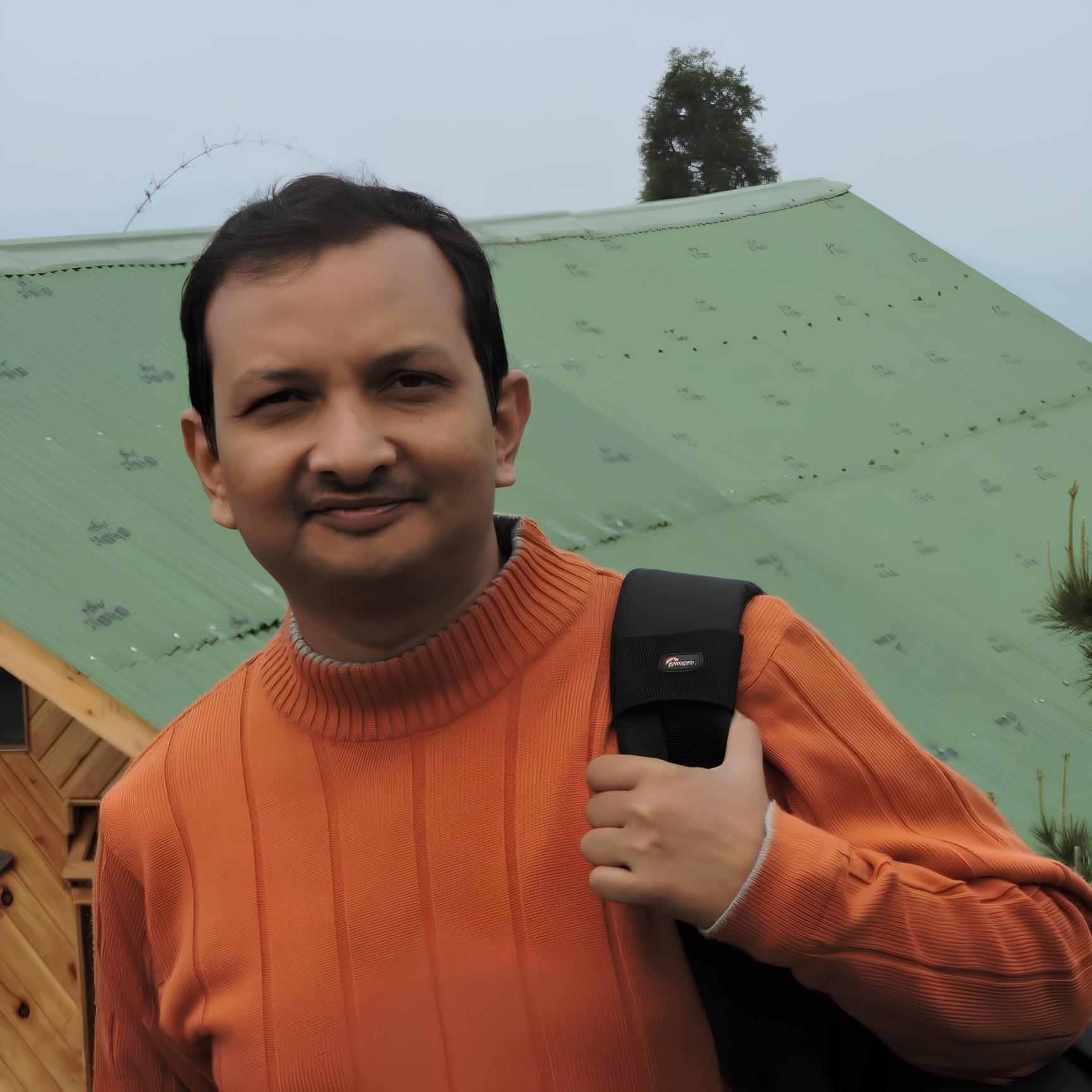
Keynote & Plenary Speakers
Keynote address and plenary lectures across both days of the conference.


Schedules & Book of Abstracts
Download the day-wise conference schedules and the official Book of Abstracts.
Attend & Observe
Join us as an attendee — no paper required.
Anyone interested in environmental humanities, literature, and culture is warmly invited to attend the conference, listen to the plenary lectures and technical sessions, and engage with the conversations.
Certificates of participation will be provided to all registered attendees.
Register as an Attendee →